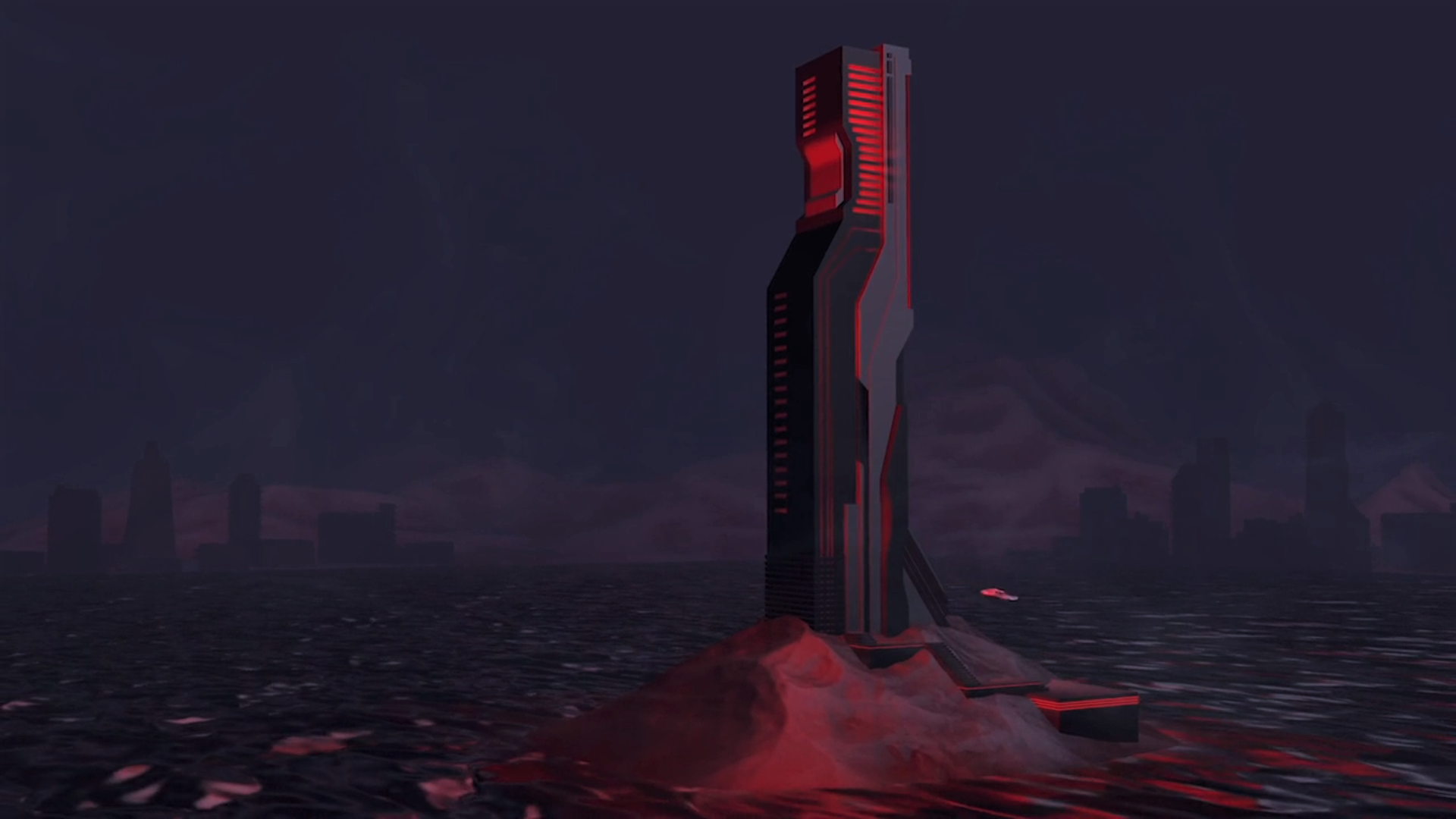
Atmospheric story-driven adventure
Engine: Unity
Team Size: 6
Developed: April 2019 – July 2019
Platform: PC
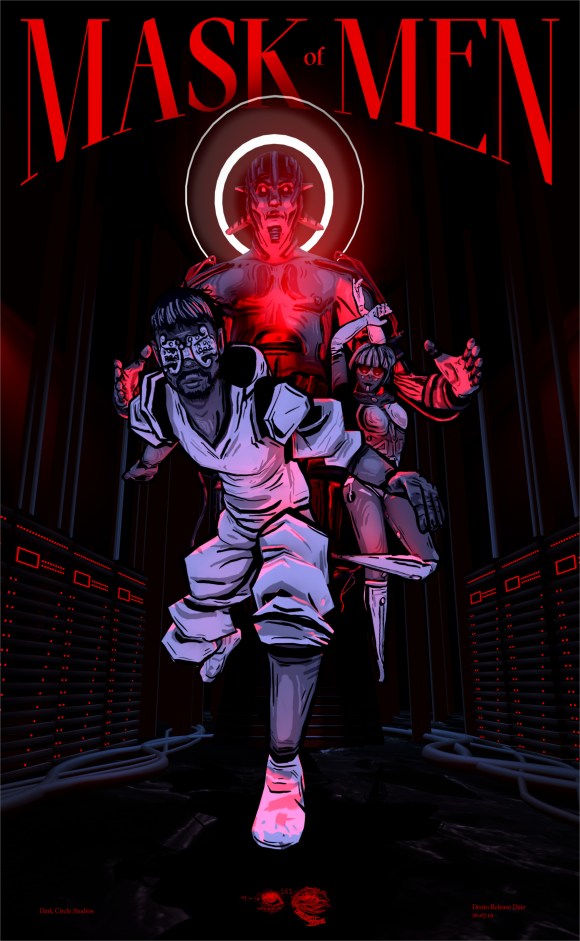
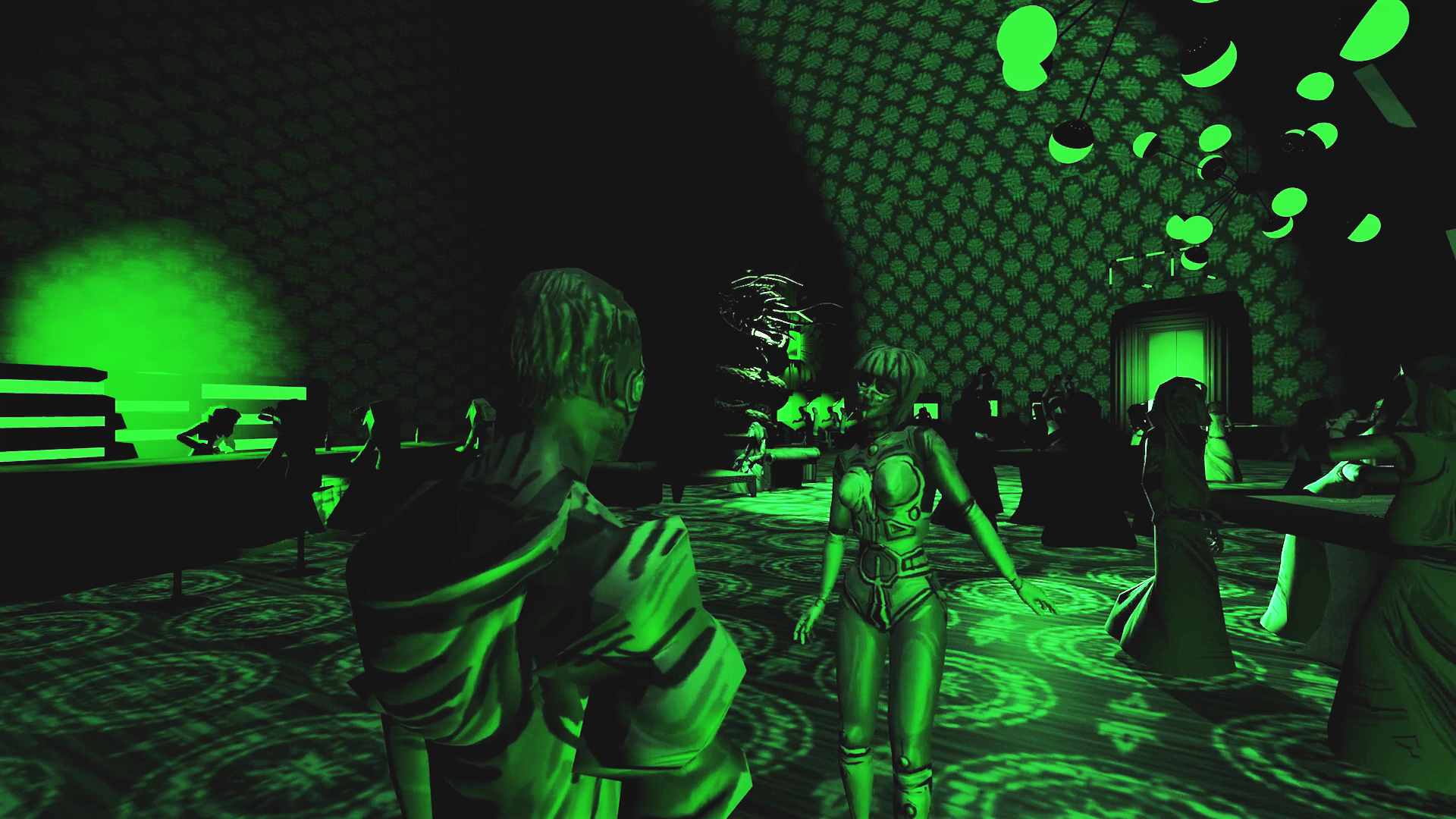
Mask Of Men is a story-driven adventure game, where a harmful disease has spread across the world. The only hope is Raga, the leader of a mysterious sect. He will transform the members of his cult into machines, to overcome the disease. In a festival, where everybody is allowed to do everything he or she wants, the sect is celebrating this upcoming ceremony. The player explores as the character Henry this strange party of the mysterious cult and experiences it through dialogues, decision making, and quick-time events.
I was responsible for the quick time event and added to the general game concept, the level design of three levels, dialogue writing, and game design. Furthermore, I contributed to the movement system and item pick-up mechanics. Besides other programmers, various design students from the University of Applied Sciences Würzburg-Schweinfurt (FHWS) were involved, who mainly did the visual design.
all about the atmosphere
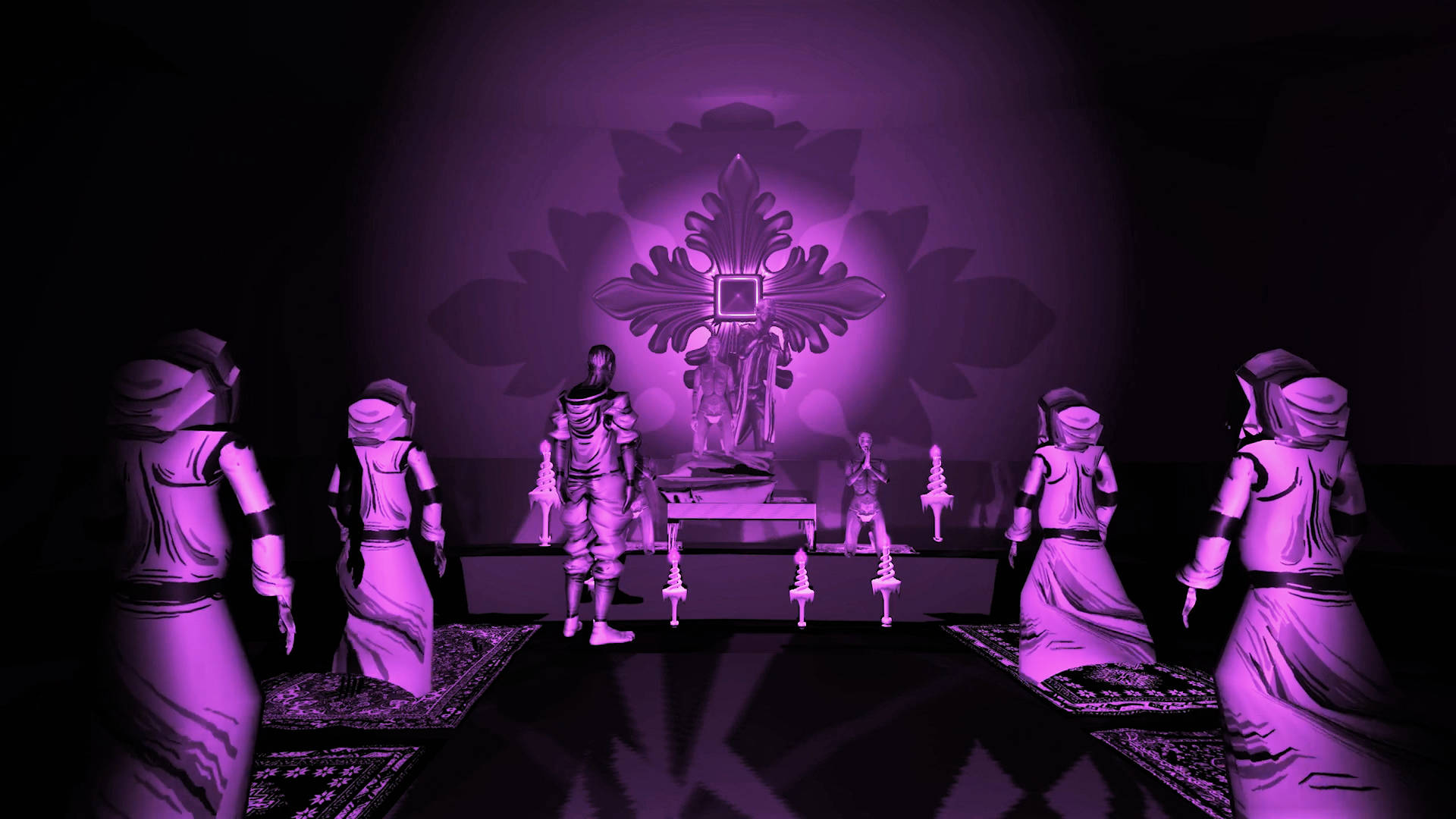
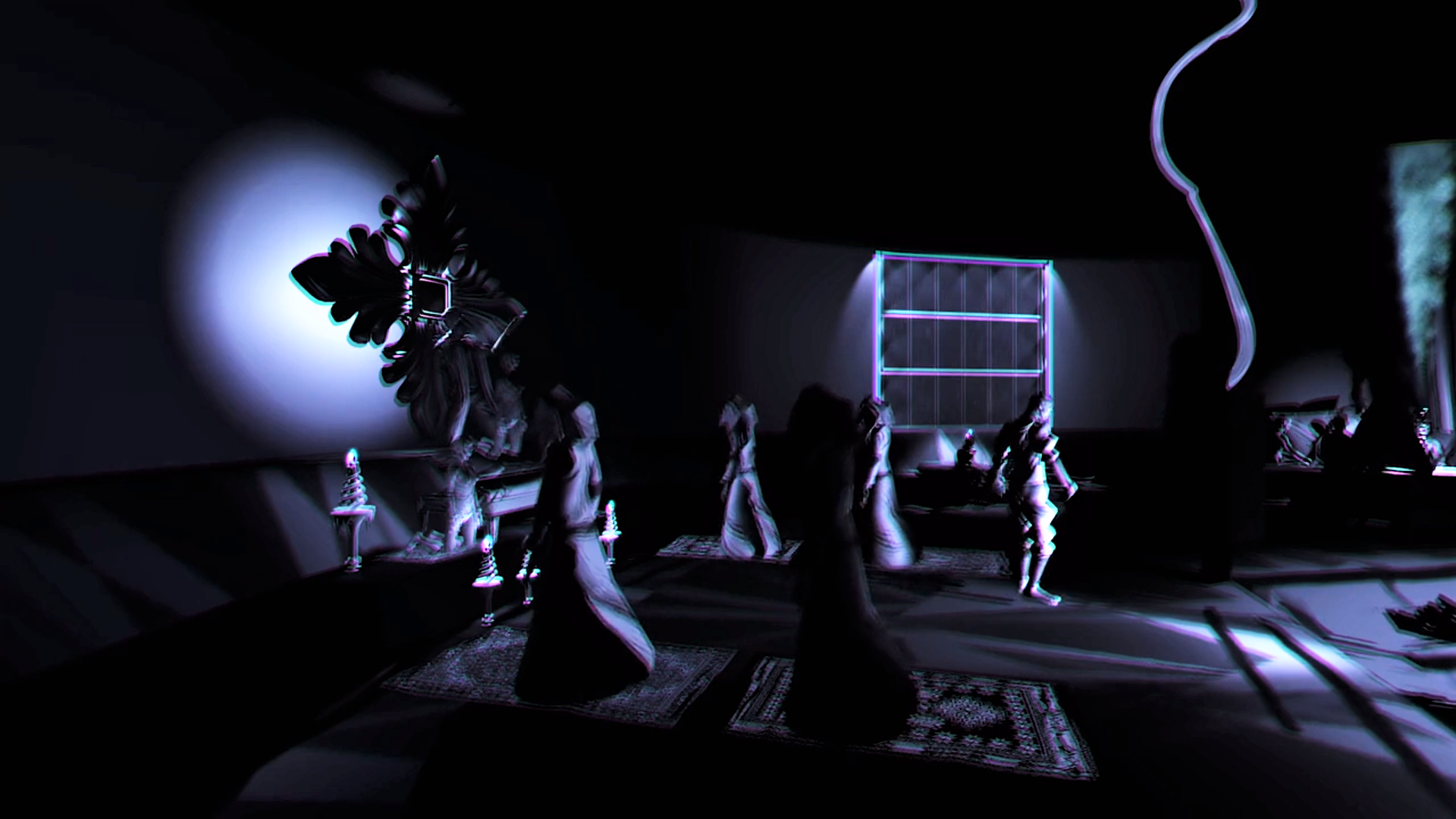
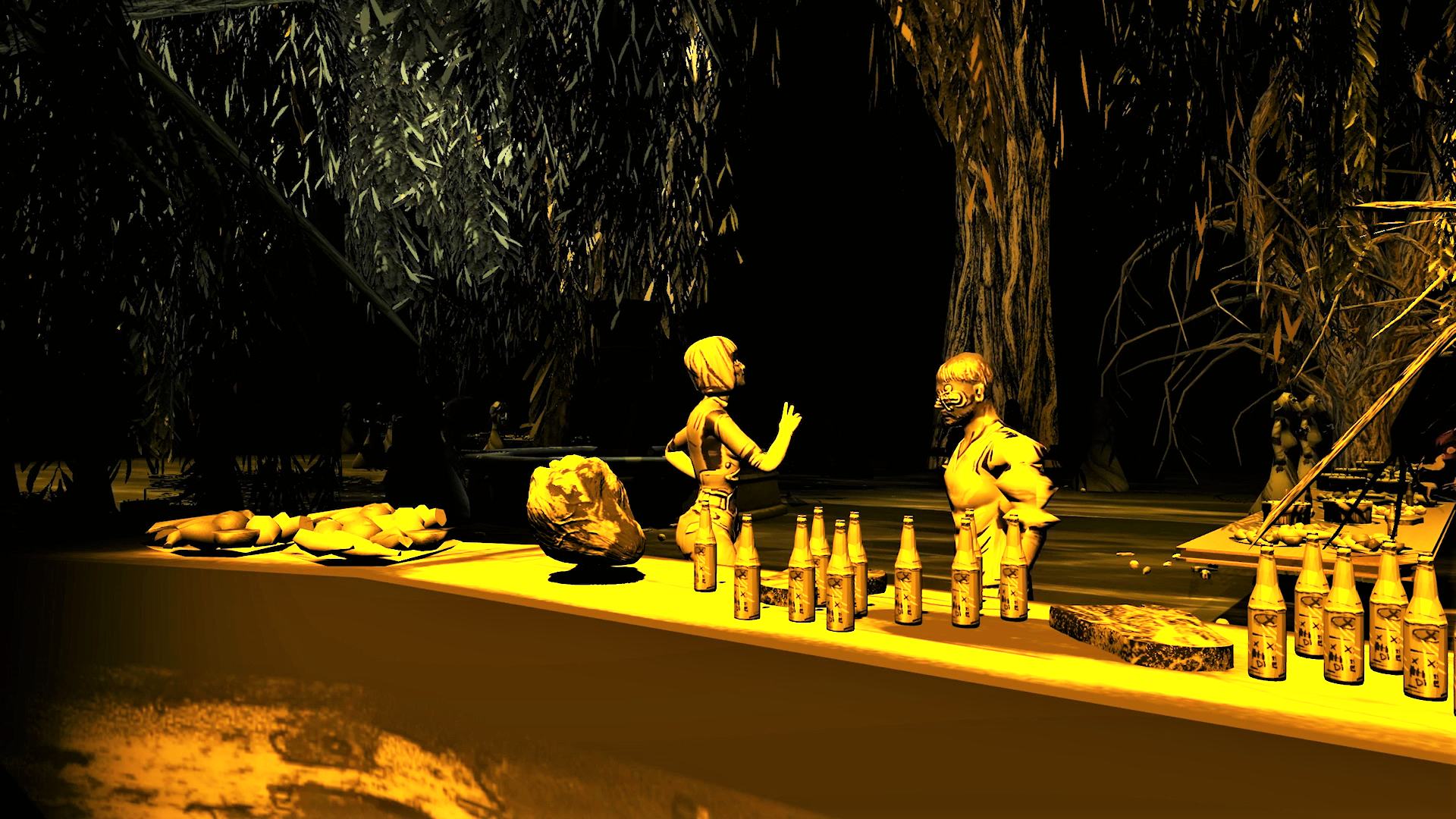
The short story “Masque of the Red Death”, written by Edgar Allan Poe, was an inspiration for this game. Like in the story depicted, we included several rooms, each representing another sin and having a different color scheme. We planned for eight different levels but ended up including six. Designing this many scenes was labor-intensive since each room needed assets, a general level design, dialogues to write and record, interactions, and cameras. During this project, our main goal was to develop a game with interesting visual design and a well-done story with great atmosphere and dialogue. So the gameplay and interactive aspects were less in the focus. Since the game is very short anyway, we included only simple interactions for the player to perform. So he can fully focus on the atmosphere and dialogues. These interactions include basic movement, a simple quick-time event, item pickup and dialogue options to choose from.
fixed cameras
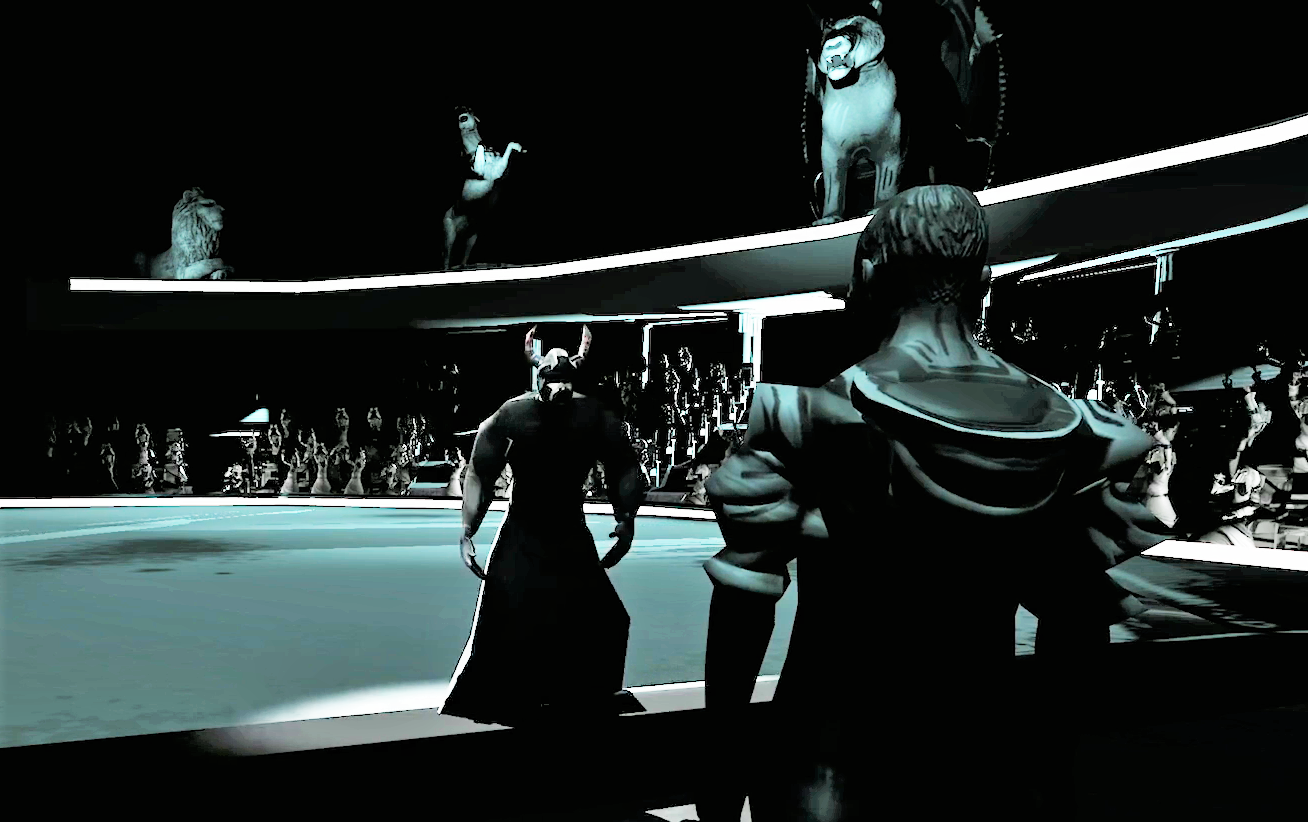
We set ourselves the goal of utilizing fixed cameras because they enable a more cinematic look and elevate the game’s atmosphere. They allowed us to use some nice and interesting camera angles throughout the whole game and not only during cutscenes or special sections. Furthermore, static cameras ensured a more seamless transition between gameplay and dialogue sequences, because cameras are fixed on both occasions. With the usage of fixed cameras, we could fully control, what the player sees from which perspective. With this, we can control the atmosphere of the game and how the user would perceive the levels. In addition to that, they allowed us to make smaller levels look bigger and less compact in comparison to a classic third-person view. The player and other objects can be further away from the camera and therefore look smaller and the level bigger. Furthermore, our fixed cameras do not need to be positioned above the player. They can be much lower than, e.g. third-person cameras, and increase the perceived size of levels. This was practical because we only had limited resources for a single room since we did several of them. For example in our arena level, the player can only see two-thirds of the room. One wall is never shown on camera. So the design of this section could be left out. But fixed cameras also have downsides and disadvantages that we underestimated. Namely, this was an increased effort for setting up camera angles and spatially problems when deciding when cameras should switch. The latter problem was especially present in wide-open rooms. Moreover, there were problems with decreased player orientation.


 Tobias Cutik
You must be logged in to post a comment.